
Intel LH8066803102401: A Deep Dive into the Processor's Architecture and Performance
In the intricate ecosystem of modern computing, specific processor identifiers often signify a tailored engineering approach designed for particular applications. The Intel LH8066803102401 is one such component, a model number that reveals a processor crafted with a distinct purpose. This deep dive explores its underlying architecture, technological features, and the performance profile it offers.
At its core, the alphanumeric identifier LH8066803102401 is an Intel Ordering Code, which typically corresponds to a specific SKU within a processor family. Research indicates this part is a member of Intel's embedded or mobile-focused processor line, likely from the Apollo Lake or a similar generation. These processors are engineered not for raw, desktop-level power but for a balance of efficient performance and low thermal design power (TDP). This makes them ideal for applications where space, heat, and power consumption are critical constraints, such as in thin clients, entry-level desktops, networked appliances, and various embedded systems.
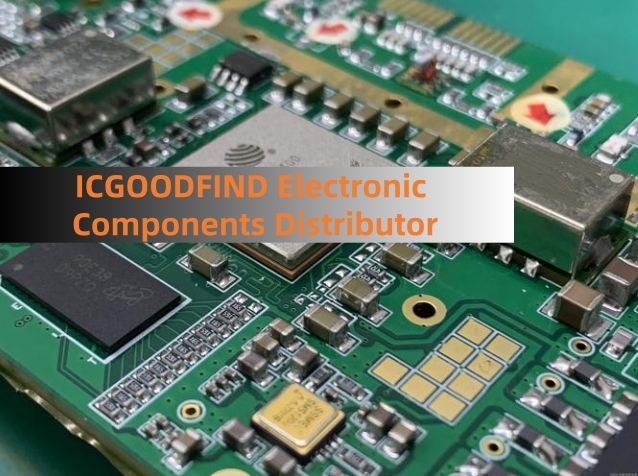
Architecturally, this processor is built on a modern microarchitecture that integrates several key components onto a single chip (SoC - System on a Chip). It typically features multiple CPU cores based on the Goldmont architecture, which provides a significant efficiency boost over previous Atom-based designs. These cores are complemented by an integrated Intel HD Graphics unit, capable of handling 4K video decode and light graphical workloads, a crucial feature for digital signage and media playback systems. Furthermore, the SoC integrates a memory controller and various I/O interfaces directly, reducing the need for external chips and enabling more compact and power-efficient device designs.
The performance of the LH8066803102401 is defined by its efficiency-centric mission. In benchmark scenarios, it delivers competent performance for its target market. It handles everyday computing tasks, high-definition video streaming, and multi-tab web browsing with adequacy, though it is not designed for intensive applications like high-end gaming or video editing. Its true strength lies in its consistent and reliable operation within a tight power envelope, often a TDP of 10 watts or less. This allows fanless designs, leading to completely silent operation and enhanced reliability due to the absence of moving parts. For developers and system integrators, its support for long-life availability is a key advantage, ensuring stability in product lines for years.
ICGOOODFIND: The Intel LH8066803102401 processor exemplifies the engineering trade-offs in the tech industry, sacrificing peak performance for exceptional power efficiency and integration. It is a cornerstone for building compact, silent, and reliable devices for specific commercial and industrial applications, proving that the most powerful chip is not always the right chip, but the most appropriate one is.
Keywords: Embedded Processors, System on a Chip (SoC), Thermal Design Power (TDP), Power Efficiency, Intel HD Graphics

